
What Parents Should Know About the Preschool Age Range, According to Old Spanish Trail School
Tucson, United States – February 2, 2026 / Old Spanish Trail School /
Understanding the Preschool Age Range: Old Spanish Trail School Shares Key Insights
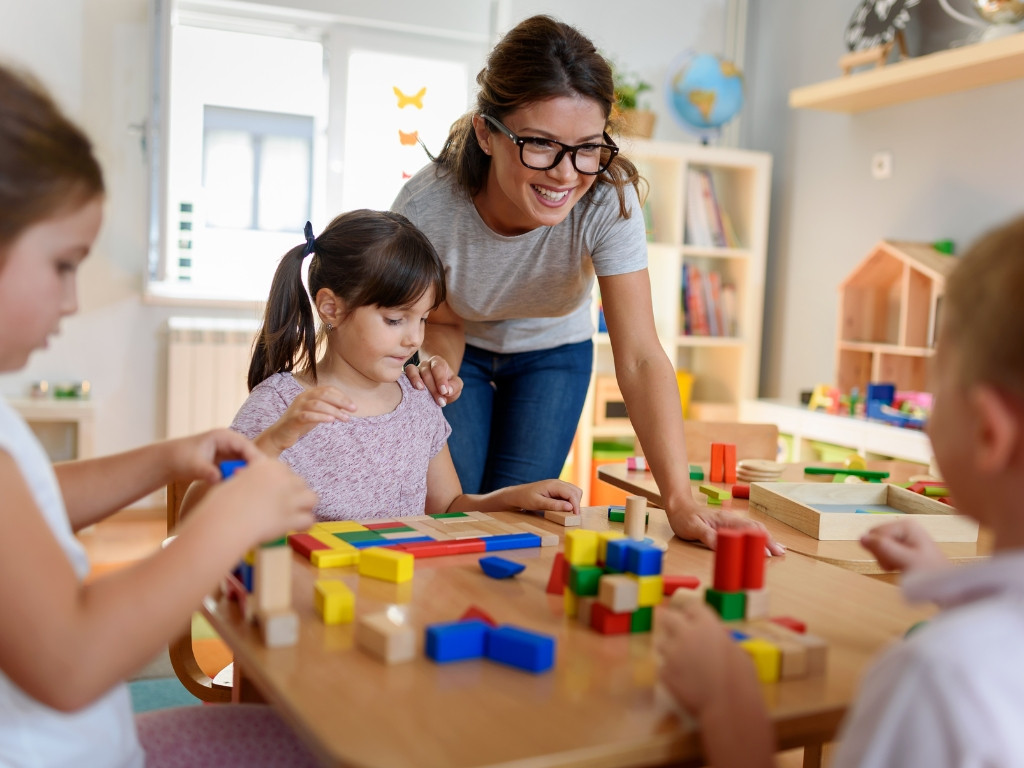
Tucson, AZ | February 2026 — Old Spanish Trail School is sharing helpful information for families who are researching early education options and want clear guidance on the preschool age range. Choosing the right time to begin preschool can feel overwhelming, especially when children develop at different speeds.
What Is the Preschool Age Range?
The preschool age range generally refers to children between the ages of 3 and 5 years old. During this stage, children experience rapid growth in language, social skills, emotional regulation, and early learning habits.
Within this age range, children often begin to:
-
Communicate more clearly using full sentences
-
Follow simple routines and instructions
-
Engage in cooperative play with peers
-
Develop basic problem-solving skills
Understanding the preschool age range helps parents set realistic expectations and choose programs designed for these developmental milestones.
Why Age Range Matters in Early Education
Age plays a key role in how children learn, communicate, and engage with others in a classroom setting. Programs designed for the preschool age range typically focus on hands-on activities, guided play, and structured social interaction that align with developmental abilities.
When children are placed in age-appropriate environments, activities are easier to focus on, lessons support emotional and social growth, and classroom expectations feel more achievable.
Matching children to the correct preschool age range supports smoother transitions into group learning and helps reduce frustration for both children and caregivers.
Developmental Skills Common in the Preschool Age Range
Children within the preschool age range share many developmental characteristics, even though progress varies from child to child.
Common areas of development include:
-
Social skills: Learning to share, take turns, and express feelings
-
Language skills: Expanding vocabulary and improving listening comprehension
-
Motor skills: Strengthening coordination through movement and hands-on tasks
-
Early academics: Recognizing letters, numbers, shapes, and colors
Preschool programs are often structured to support these skills through play-based learning and daily routines.
How Preschool Supports School Readiness
Preschool supports school readiness by helping children become comfortable with the structure of a learning environment without adding academic pressure.
During this stage, children are introduced to routines, group settings, and adult guidance in a way that feels steady and manageable.
For children in the preschool age range, readiness often shows through comfort separating from caregivers, following daily classroom routines, and participating in group activities.
Listening to adults outside the home also becomes more familiar over time. These early experiences help children feel more prepared and confident when transitioning into kindergarten.
Signs a Child May Be Ready for Preschool
Age is important, but readiness also depends on individual development. Many parents look for certain behaviors when deciding whether preschool is a good fit.
Common readiness signs include:
-
Showing curiosity about other children
-
Following simple directions
-
Expressing basic needs verbally
-
Handling short periods away from caregivers
Children within the preschool age range may show these signs at different times, which is normal. Observing behavior and comfort levels often provides helpful guidance.
Questions Parents Can Ask When Evaluating Programs
When researching preschools, asking clear and practical questions can help families find the right fit for their child’s age and needs.
Helpful questions include:
-
How are classrooms grouped by the preschool age range?
-
What types of activities support social and emotional growth?
-
How is play balanced with early learning skills?
-
How are routines used to support consistency and structure?
Clear answers can help parents understand how a program supports children at different stages within the preschool age range.
Supporting Confident Decisions for Families
Understanding the preschool age range gives families a stronger foundation when exploring early education options. Age-appropriate programs are designed to meet children where they are, supporting growth without rushing development.
Old Spanish Trail School encourages families to use this information as a starting point for thoughtful conversations about preschool readiness and early education planning.
Contact Information:
Old Spanish Trail School
9395 E Old Spanish Trail
Tucson, AZ 85710
United States
Morgan Miller
(520) 885-8531
https://www.smallmiraclesedu.com/our-locations/az/tucson/old-spanish-trail-school-daycare/


Original Source: https://www.smallmiraclesedu.com/our-locations/az/tucson/old-spanish-trail-school-daycare/#/media-room/
