
Navigating Tight Parking: Pauly’s Movers’ City Moving Approach
Mechanicsville, United States – February 4, 2026 / Moving Service Marketing Company /
Moving within Richmond comes with a set of challenges that many residents quickly recognize. Limited parking, narrow streets, and active neighborhoods can make even a well-organized move feel complicated if these factors are not addressed early. Older districts, in particular, were not designed to handle modern traffic or large moving trucks, which means space must be used carefully and efficiently. Successful urban moves often depend on understanding where vehicles can park, how long unloading can take, and which local rules apply to temporary parking.
This guide outlines practical urban moving tactics that help residents prepare for Richmond’s tight parking conditions. By planning ahead, understanding city layouts, and using transportation strategies that fit the environment, movers can reduce delays and avoid unnecessary stress. The focus is on preparation, coordination, and realistic expectations for moving in a busy city.

Richmond’s Parking Dilemma
Richmond’s street layout reflects its long history. Many roads were designed decades ago, well before personal vehicles became common. As a result, today’s traffic must operate within infrastructure that was never intended to support heavy vehicle use. Narrow streets, limited curb space, and closely spaced homes leave little room for parking, especially in residential areas.
This issue becomes clearer when looking at growth trends. Vehicle registrations have increased significantly, while available parking has grown only slightly. This imbalance forces drivers to spend more time searching for open spaces, often circling blocks repeatedly. The result is wasted time, increased traffic congestion, and added frustration for residents and visitors alike.
City planners have noted that parking shortages affect more than convenience. When drivers struggle to find parking, it impacts daily schedules, local businesses, and even emergency response times. Narrow streets can become blocked when vehicles double-park or attempt difficult maneuvers, creating safety concerns and slowing traffic.
Because Richmond’s historic neighborhoods limit the ability to widen roads or add new parking lots, solutions must focus on smarter use of existing space. Expanding infrastructure is often costly and may conflict with efforts to preserve neighborhood character. This reality makes careful planning and alternative transportation strategies especially important for both residents and moving services.
Understanding the parking challenges specific to Richmond helps set realistic expectations. With this awareness, movers can plan routes, loading times, and vehicle placement more effectively, reducing the likelihood of delays or conflicts on moving day.
Public Transport Benefits
Public transportation plays an important role in reducing pressure on Richmond’s limited parking. Choosing buses or other transit options allows residents to move around the city without adding more vehicles to already crowded streets. This shift helps ease congestion and reduces the demand for curbside parking in high-traffic areas.
The Greater Richmond Transit Company has reported steady increases in ridership following improvements in service frequency and route coverage. These changes suggest growing confidence in public transportation as a dependable option. For daily commuters, using transit can eliminate the time spent searching for parking and lower overall transportation costs.
Beyond convenience, public transport supports broader city goals. Fewer cars on the road mean reduced emissions, less infrastructure wear, and improved traffic flow. These benefits extend to everyone, including those who still rely on personal vehicles for certain trips.
Encouraging public transit use also supports more predictable movement patterns throughout the city. When fewer cars compete for limited space, delivery vehicles, service trucks, and moving vans can operate more efficiently. This balance is especially valuable in dense neighborhoods where space is limited.
As public transportation continues to improve, it remains a practical option for reducing parking strain and supporting smoother urban mobility.
Innovative Parking Solutions
Richmond has begun exploring technology-driven parking solutions to make better use of existing space. One of the most notable efforts involves smart parking meters that adjust pricing based on demand. These systems rely on sensors that detect whether spaces are occupied and share that information through mobile apps or digital displays.
This technology helps drivers locate available parking more quickly, reducing the need to circle blocks repeatedly. It also encourages turnover by discouraging long-term parking in high-demand areas during peak hours. When spaces are used more efficiently, more drivers gain access to convenient locations.
Dynamic pricing serves a broader purpose as well. By raising rates during busy periods and lowering them during slower periods, the system balances supply and demand without resorting to strict enforcement measures. This approach supports fairness while improving overall access.
Additional strategies include digital signage that directs drivers to less crowded parking areas and shared parking arrangements that allow unused spaces to serve the public during off-hours. Office buildings, for example, may open parking facilities in the evenings or on weekends when employees are not present.
These solutions rely on flexibility and communication. By staying informed about parking tools and city updates, drivers can make better decisions and avoid unnecessary delays. For moving operations, access to accurate parking information can significantly improve timing and efficiency.
Alternatives to Car Ownership
For many Richmond residents, owning a personal vehicle comes with growing costs and challenges. Parking fees, insurance, maintenance, and limited space can outweigh the convenience of having a car available at all times. As a result, alternatives to car ownership have become increasingly appealing.
Car-sharing services allow users to access vehicles only when needed. By renting cars by the hour or day, residents avoid long-term costs while still having transportation options for errands or special trips. This model reduces the number of vehicles competing for parking and frees up space across the city.
Public transportation remains another core alternative. With expanded routes and improved reliability, buses provide affordable access to many neighborhoods. Regular transit use reduces the need for daily driving and minimizes parking concerns.
Bike-sharing programs offer an additional option for short trips. Docking stations throughout the city make it easy for riders to pick up and return bikes. This approach works well in dense areas where driving may be slower than cycling, and parking is limited.
Ride-hailing services also fill important gaps. These services provide door-to-door transportation without requiring users to park or maintain a vehicle. While costs can add up with frequent use, they offer flexibility for occasional trips or situations where public transit is less practical.
Together, these alternatives give residents more control over how they move through the city. By combining different options based on needs and schedules, many people find they can reduce reliance on personal vehicles while staying mobile.
Urban Planning Integrations
Urban planning plays a central role in managing parking demand. In Richmond, planners focus on aligning transportation systems with how people actually move through the city. Rather than responding only after congestion occurs, these efforts aim to reduce demand before it becomes unmanageable.
Transit-oriented development is one key strategy. By placing housing, offices, and services near public transit hubs, planners encourage residents to rely less on cars. This approach reduces the need for large parking facilities and supports walkable neighborhoods.
Smart parking systems also support planning efforts by providing real-time data. Information gathered from sensors helps officials understand usage patterns and adjust pricing, permits, and regulations as needed. This data-driven approach allows for more responsive management of limited resources.
Flexible zoning policies further support these goals. Developers may be allowed to build fewer parking spaces if they provide alternatives such as bike storage or carpool access. These incentives encourage sustainable transportation choices while lowering construction costs.
Complete street designs also help reduce parking demand. By making streets safer for pedestrians and cyclists, cities encourage short trips without cars. Over time, these changes support a shift toward more balanced transportation habits.
Lessons from Other Cities
Other cities facing similar challenges offer valuable insights. Portland, Oregon, provides a clear example of how policy and incentives can work together. By limiting parking availability through zoning laws while expanding transit and biking options, Portland reduced car ownership and eased parking demand.
This approach shows the importance of pairing restrictions with alternatives. Limiting parking without offering reliable transportation options can frustrate residents and businesses. When combined with improved transit, bike infrastructure, and shared mobility services, restrictions become part of a broader solution.
Data from Portland indicates a significant drop in private vehicle ownership following these changes. Increased transit use and reduced congestion followed, improving overall urban mobility. These results highlight the value of long-term planning and community engagement.
Richmond can adapt these lessons to fit local conditions. While every city has unique characteristics, the core principles of flexibility, data-driven decision-making, and balanced incentives remain applicable. Ongoing feedback from residents helps ensure policies remain effective and fair.
Richmond’s tight parking conditions result from historic design, population growth, and modern transportation demands. Addressing these challenges requires more than quick fixes. Through careful planning, smarter parking systems, expanded transportation options, and thoughtful urban design, the city can manage limited space more effectively. By understanding available tools and adopting flexible strategies, residents and moving services alike can navigate Richmond’s urban environment with fewer delays and greater efficiency.

Urban Moving Made Easier in Richmond with Pauly’s Movers
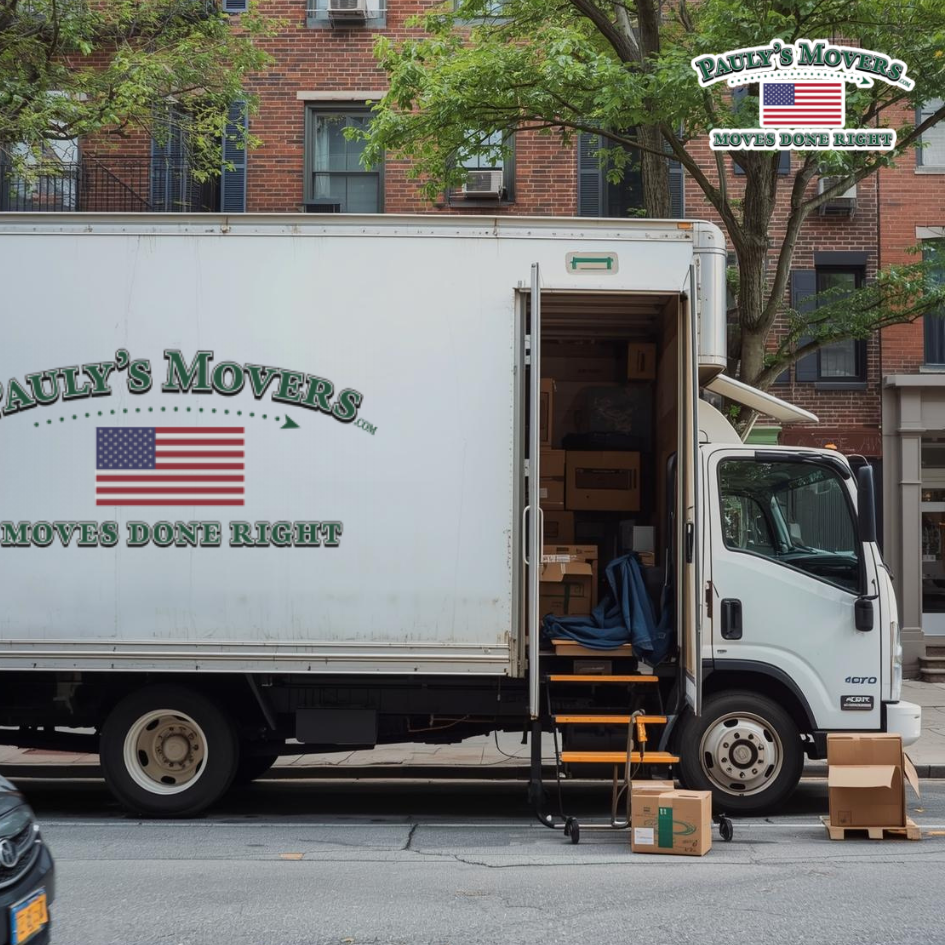
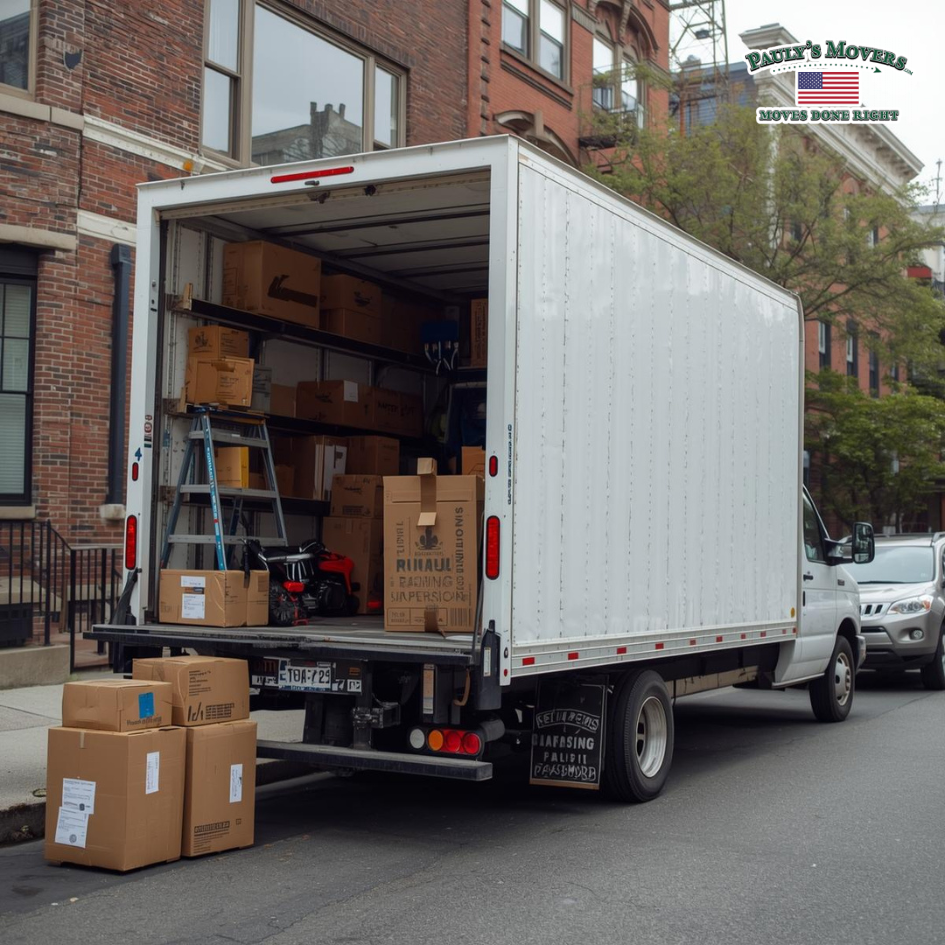
Relocating within Richmond’s busy streets, tight parking, and compact neighborhoods takes planning, coordination, and a moving team that understands the city’s layout, and Pauly’s Movers delivers exactly that. Their crews are experienced in managing tight parking, narrow access points, and multi-level buildings while keeping belongings protected and timelines on track. With a clear process and consistent communication, they help reduce the common challenges that come with urban moves and make each transition more manageable. When you are ready to move within Richmond with confidence, contact them at 443-407-8387 to schedule your move and get started.

Contact Information:
Pauly’s Movers
6407 Mechanicsville Turnpike
Mechanicsville, VA 23111
United States
Tony Fard
(804) 886-1930
https://paulysmovers.com/movers-richmond-va/

